
We support quality in care settings through our professional development programmes for care leaders, innovative research, and community engagement initiatives.

Professional Development, Training and Consultancy
Our professional development programmes support leadership, quality, resilience and retention.
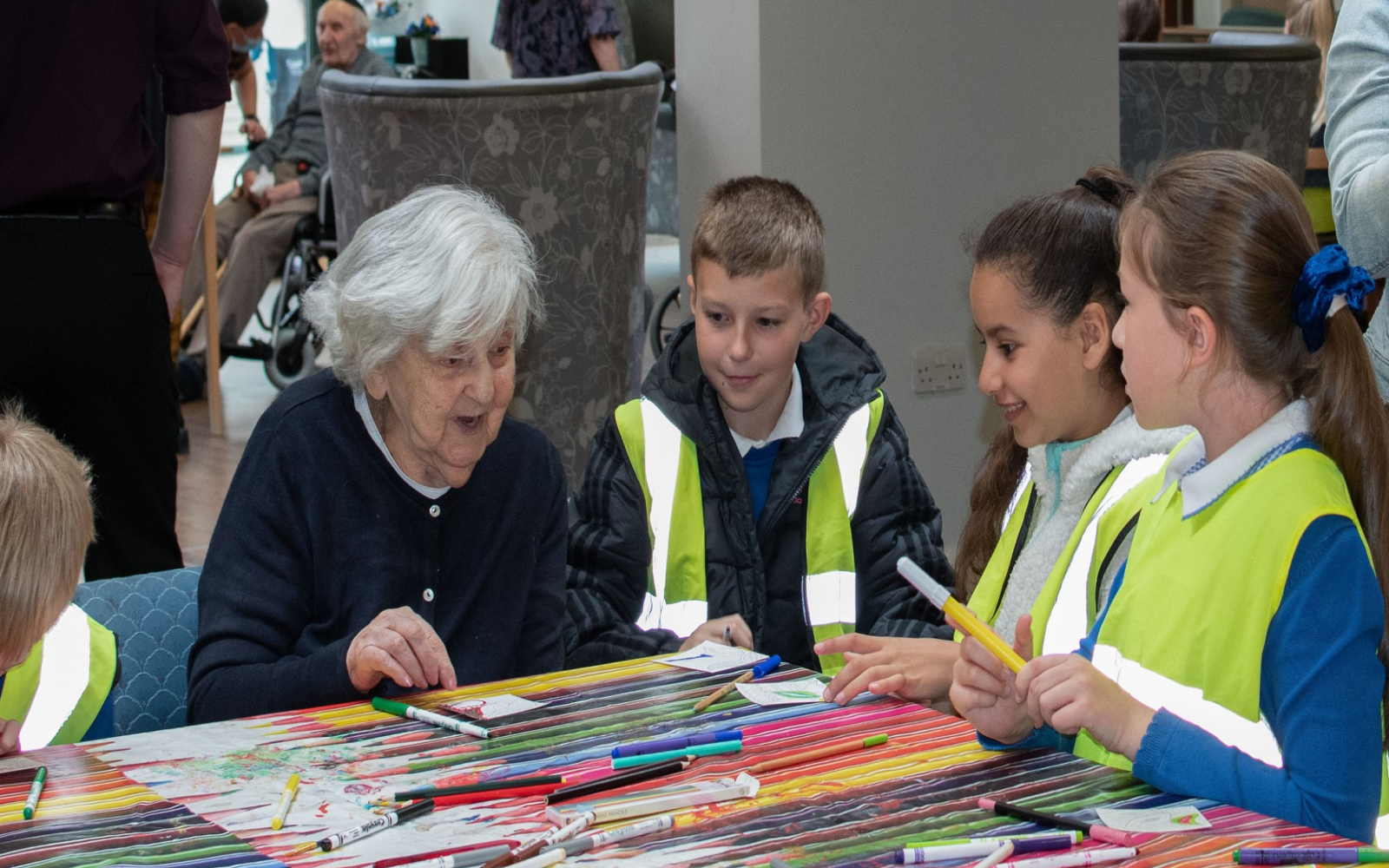
Community Connections
We support care settings to build meaningful relationships with their local community, widening networks and enhancing wellbeing.
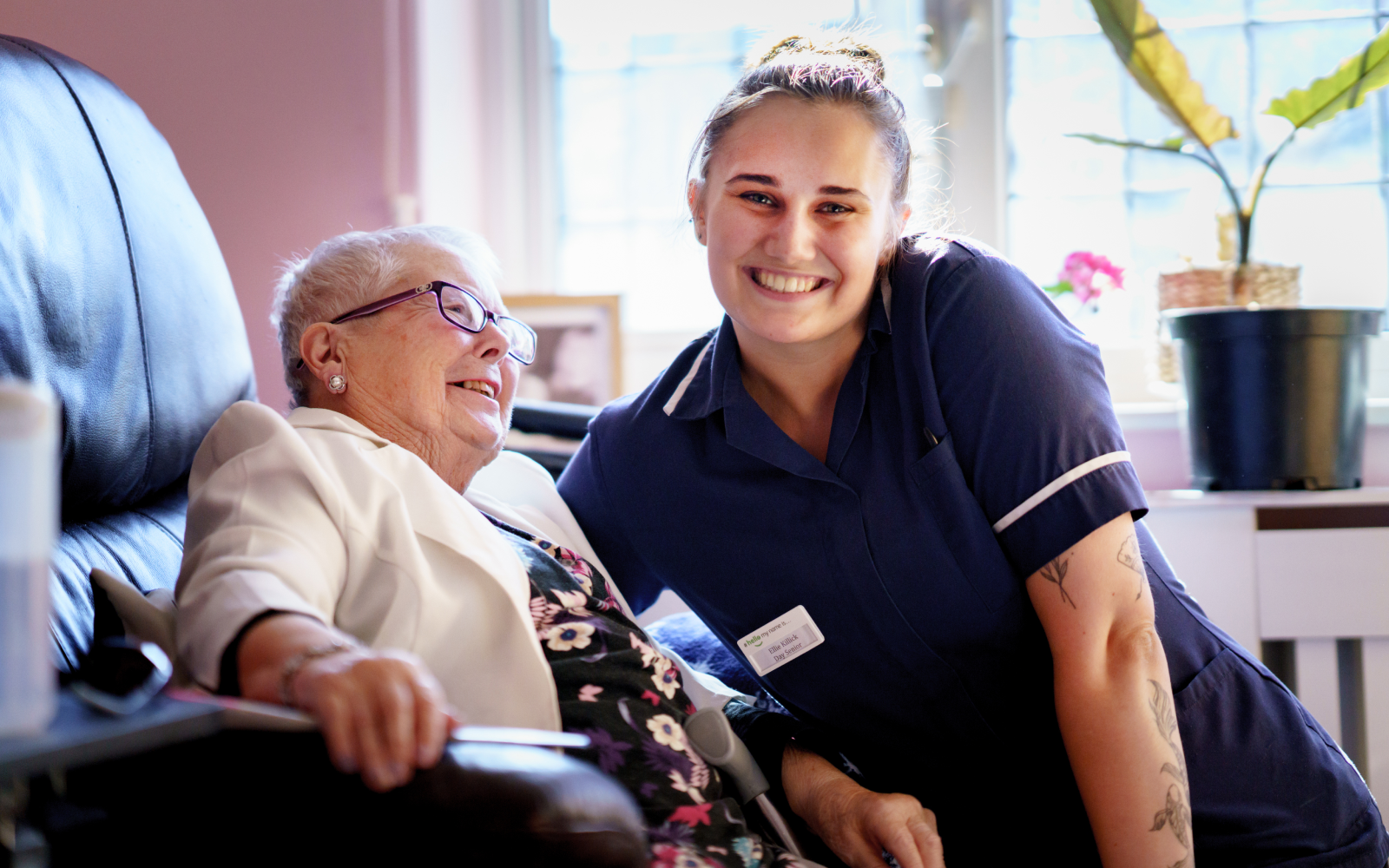
Research
Founded on research, we lead exploration and thinking to develop best practice and quality in care services.
The NCL Care Leaders Group continues to grow and flourish!
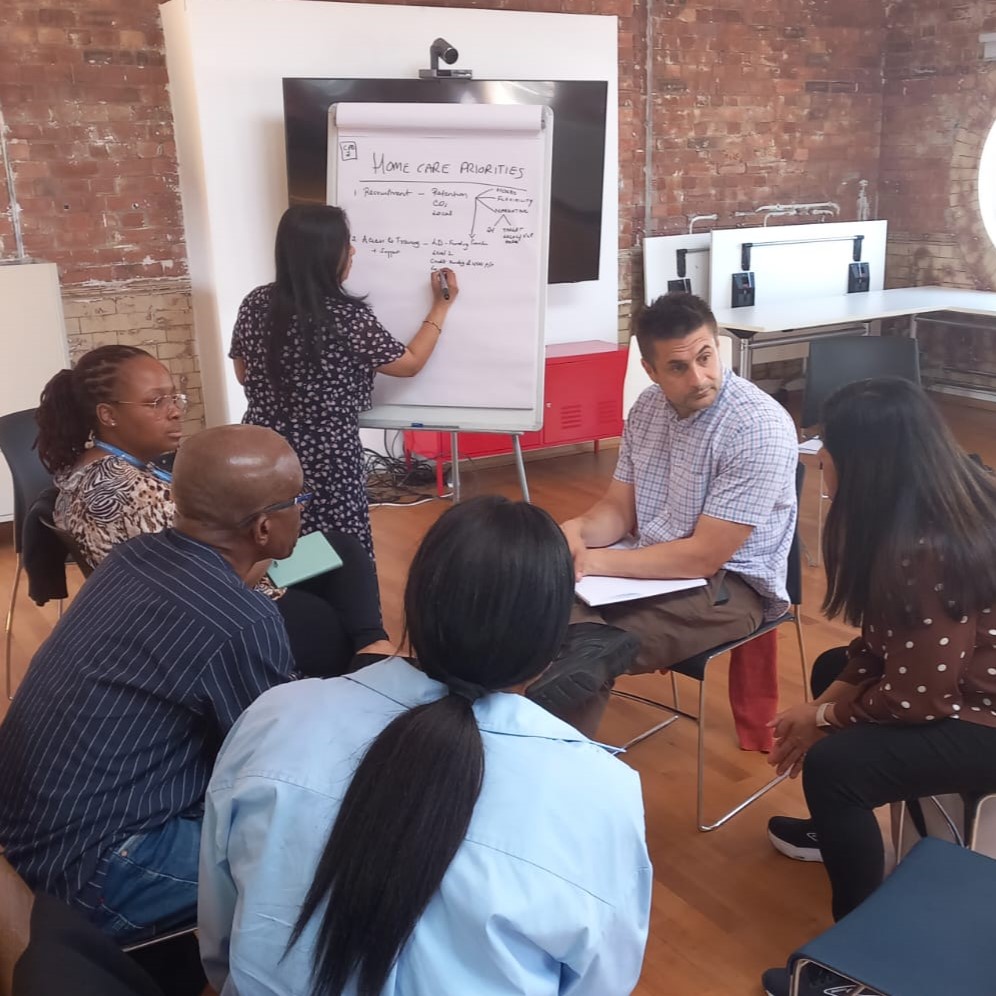
Recently formed through our Advanced Care Leaders Programme, the ‘North Central London Care Leaders Group’ is a movement of experienced social care leaders who came together to give care providers a stronger...
Supporting LGBTQ+ individuals living in care homes
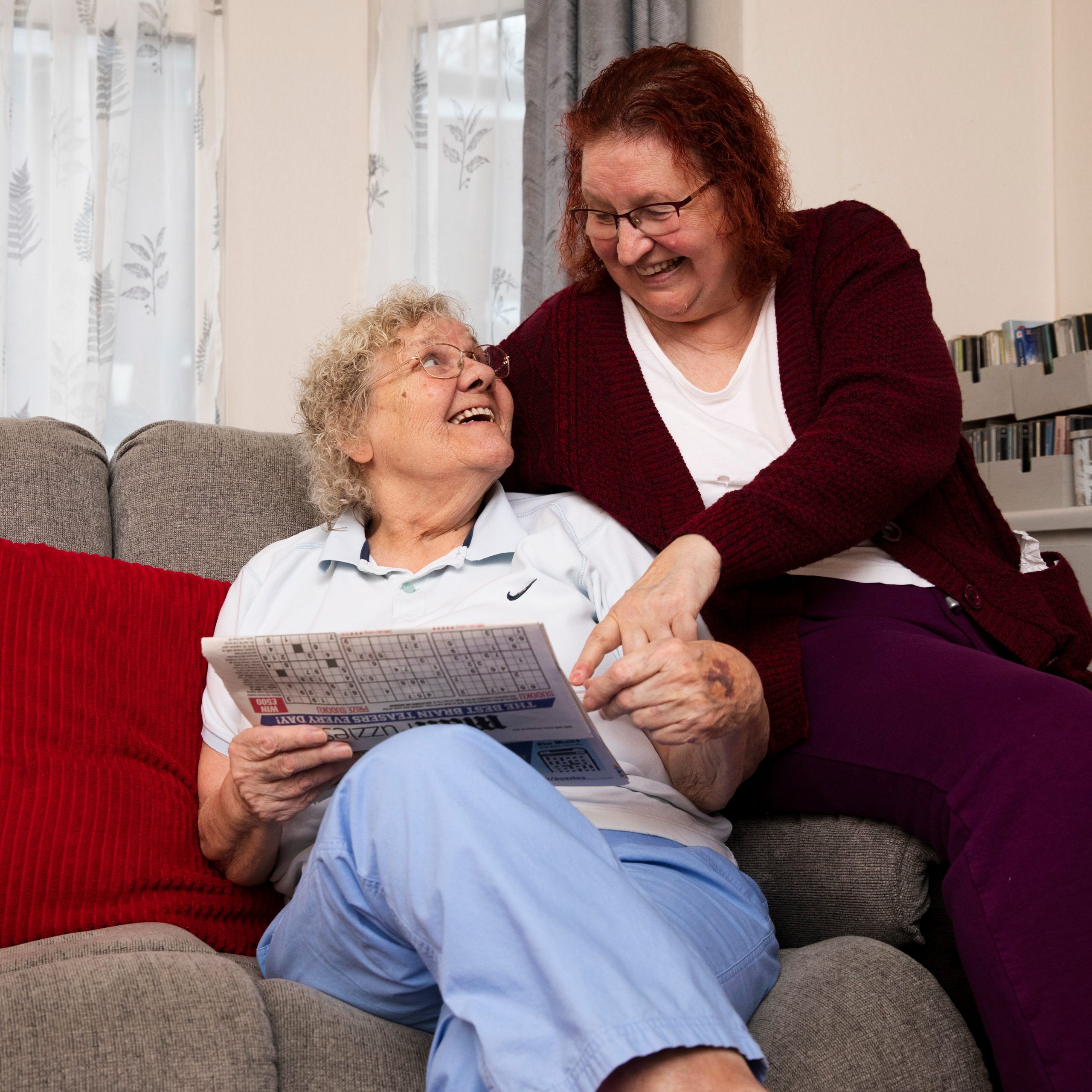
This Pride Month, four care team members tell us how they are supporting LGBTQ+ older people to ‘Thrive Inclusively’ – from values-based caring and recruitment practices, to facilitating opportunities for people to...
Latest Programme Completions: Celebrating Cohort 2 in Luton and in Surrey

Two was clearly the magic number in April, as we celebrated the completion of two Professional Support and Development Programmes – in Luton and in Surrey – and in both regions it...
Sign up to our newsletter
Be the first to hear about news, resources and top tips

My Home Life England is part of the School of Health and Psychological Sciences at City St George’s, University of London.
We’d love to hear from you, contact us today
Follow us on social media for regular updates, give us a call or send us a message through our Contact form.
0207 040 5776